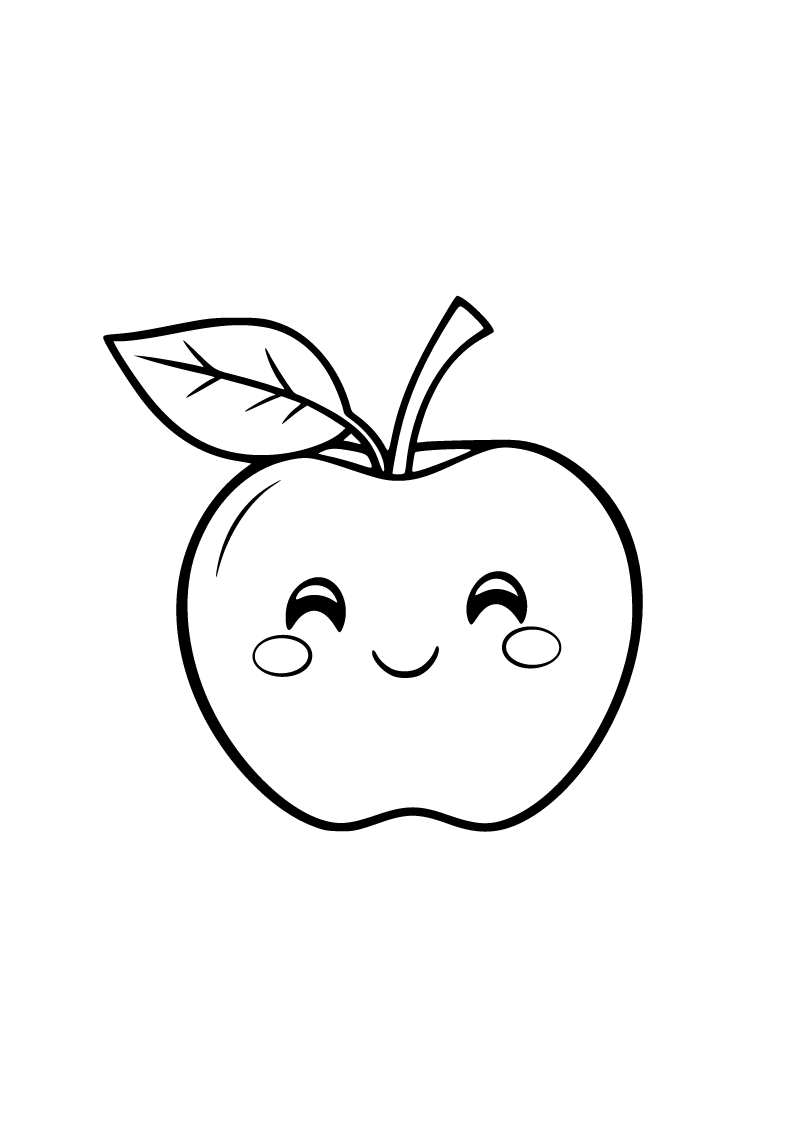
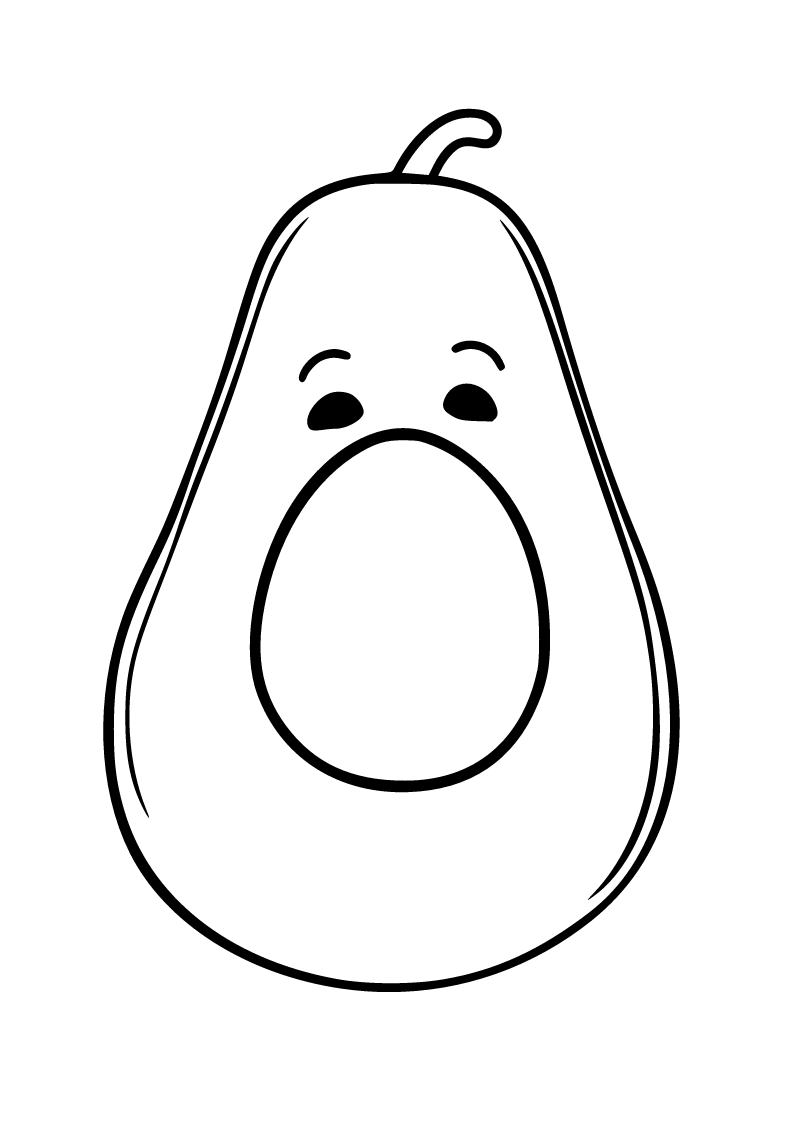
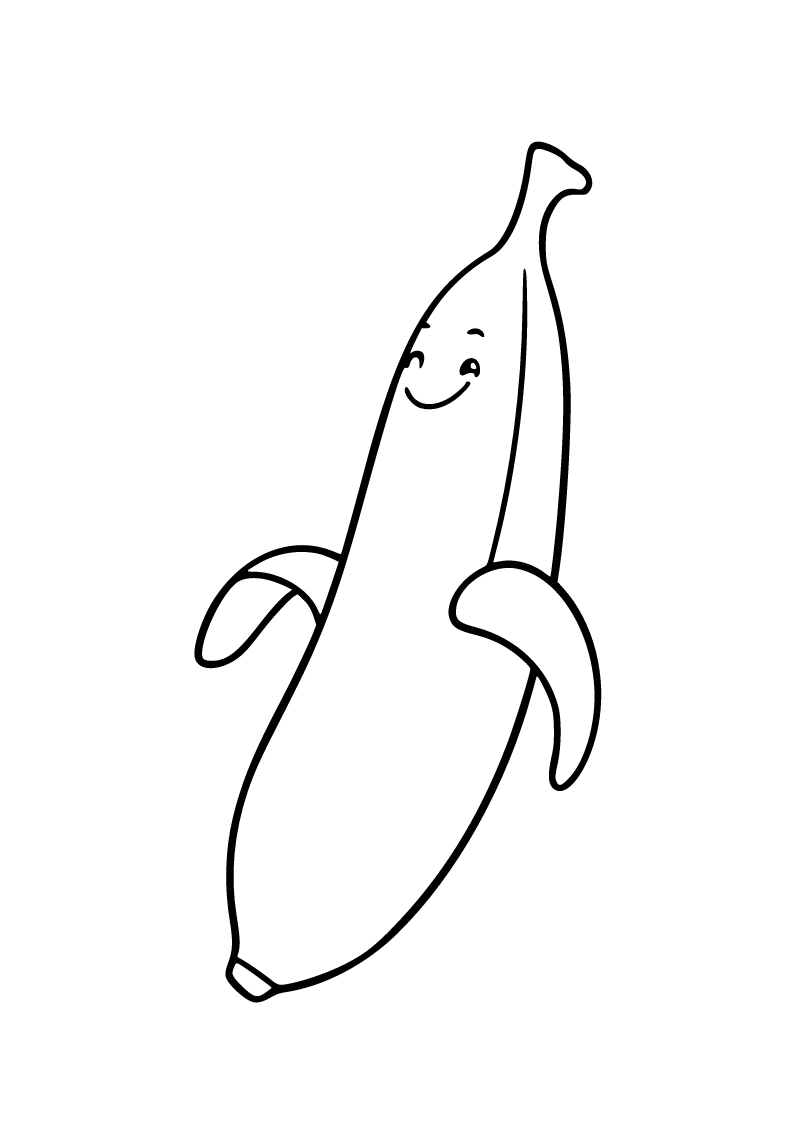
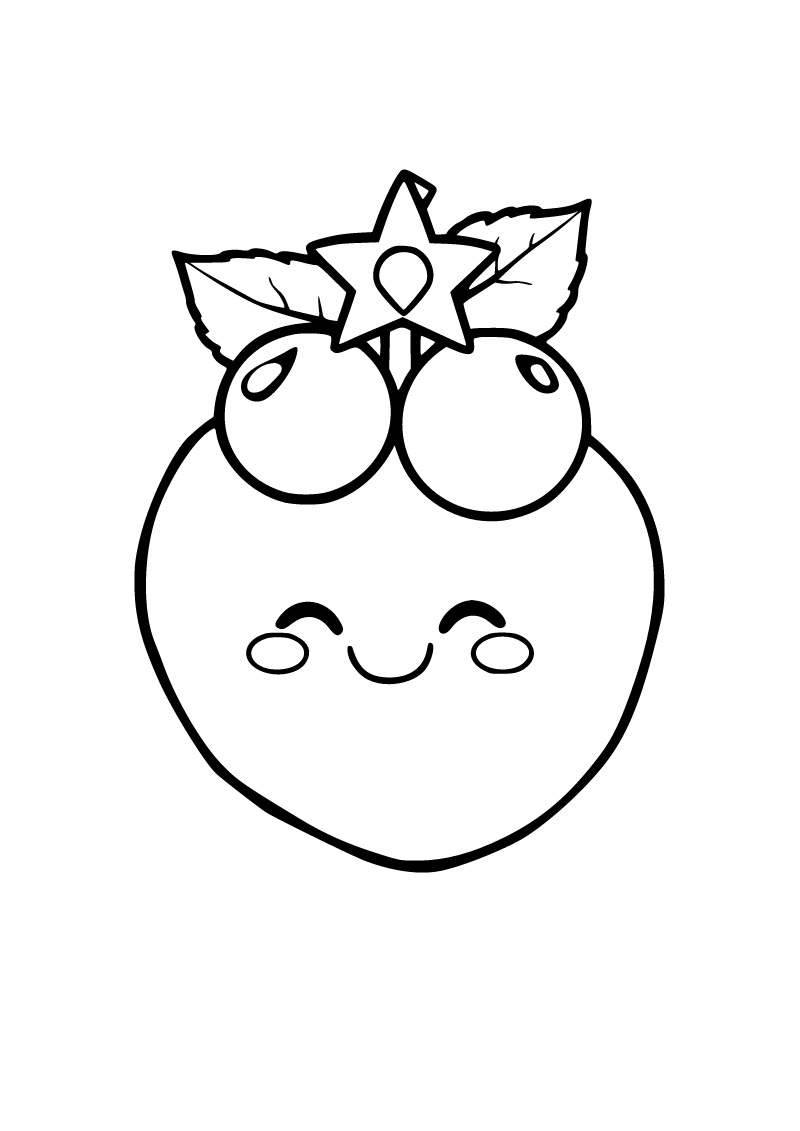
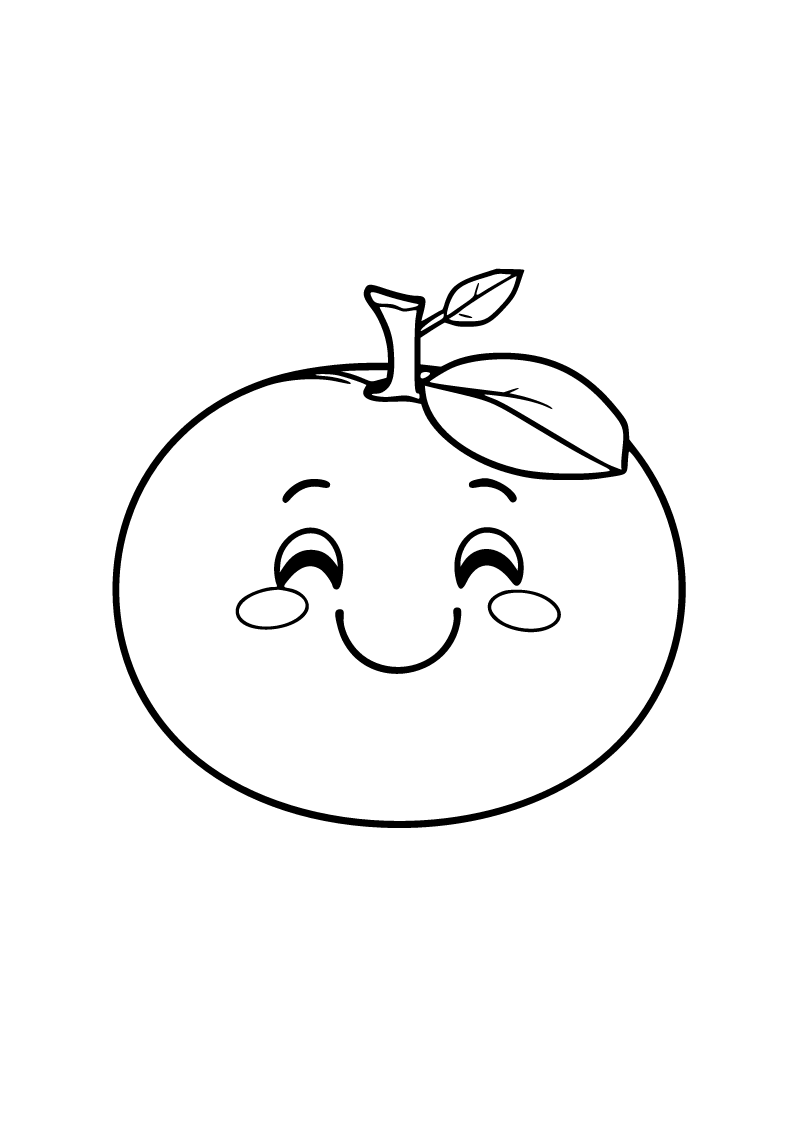
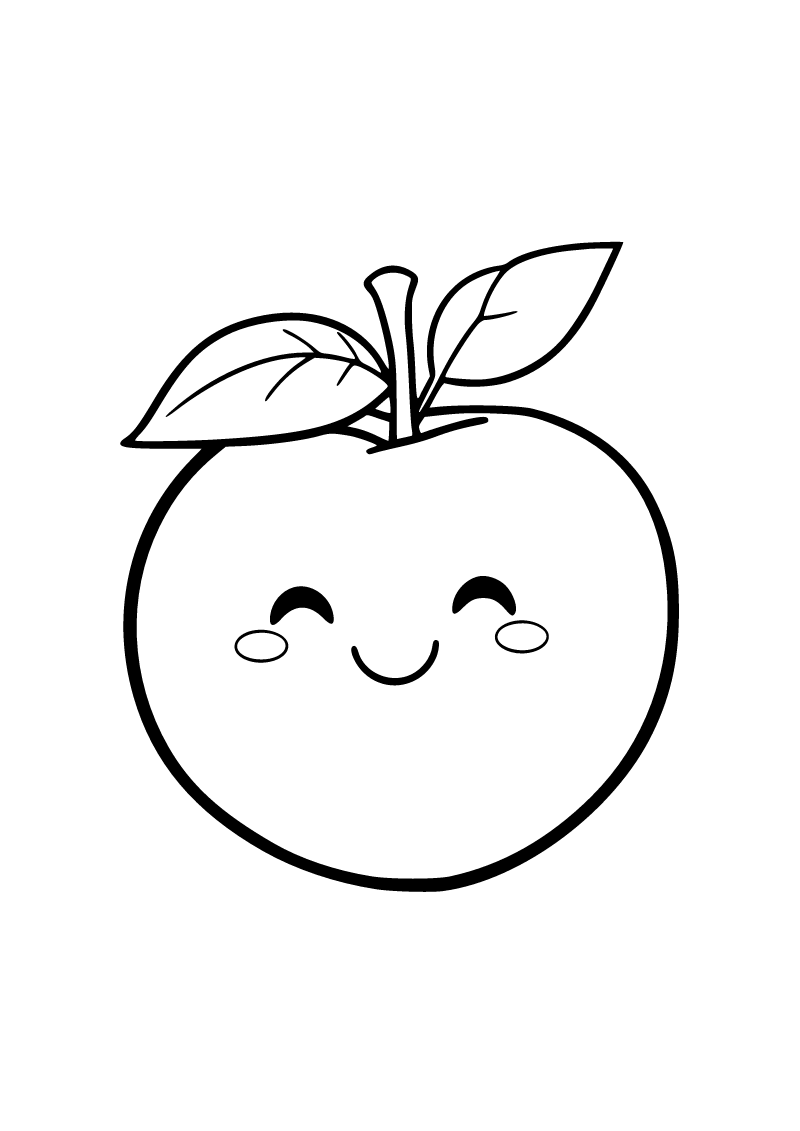
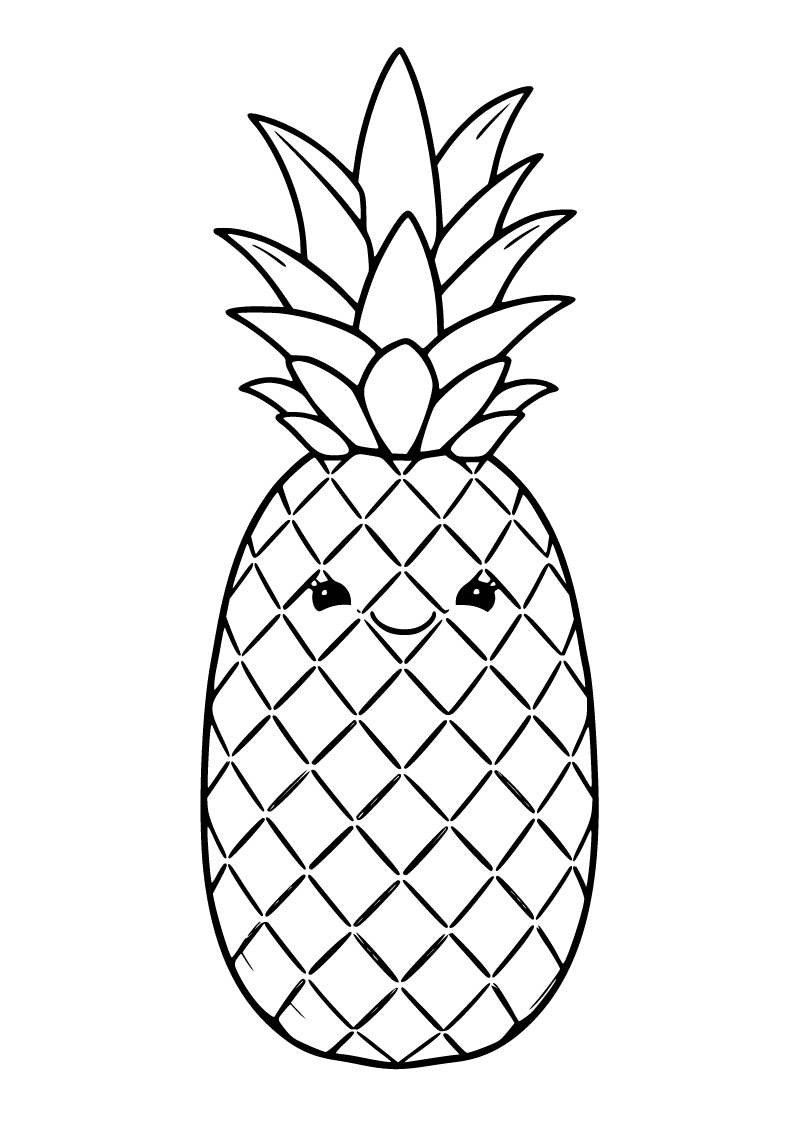
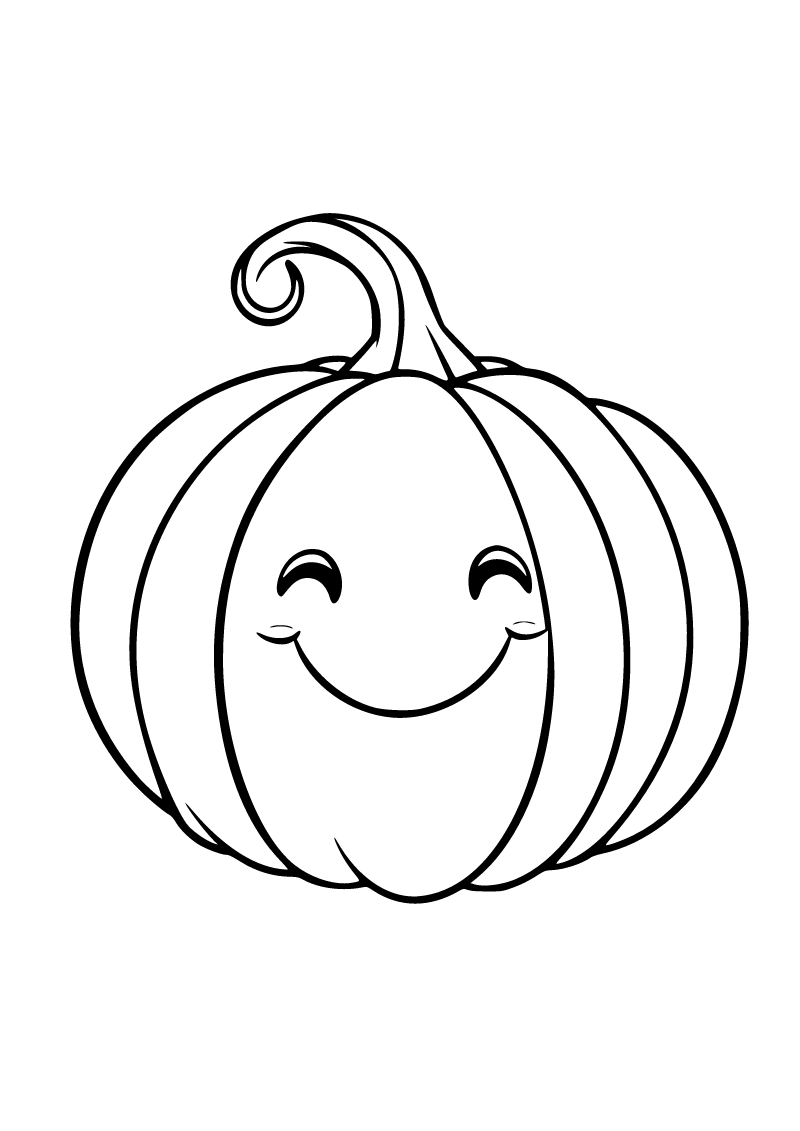
These suggestions are for parents, caregivers and teachers. Pick one idea or adapt it to the child's interests; no activity has to become a test.
Choose the right picture
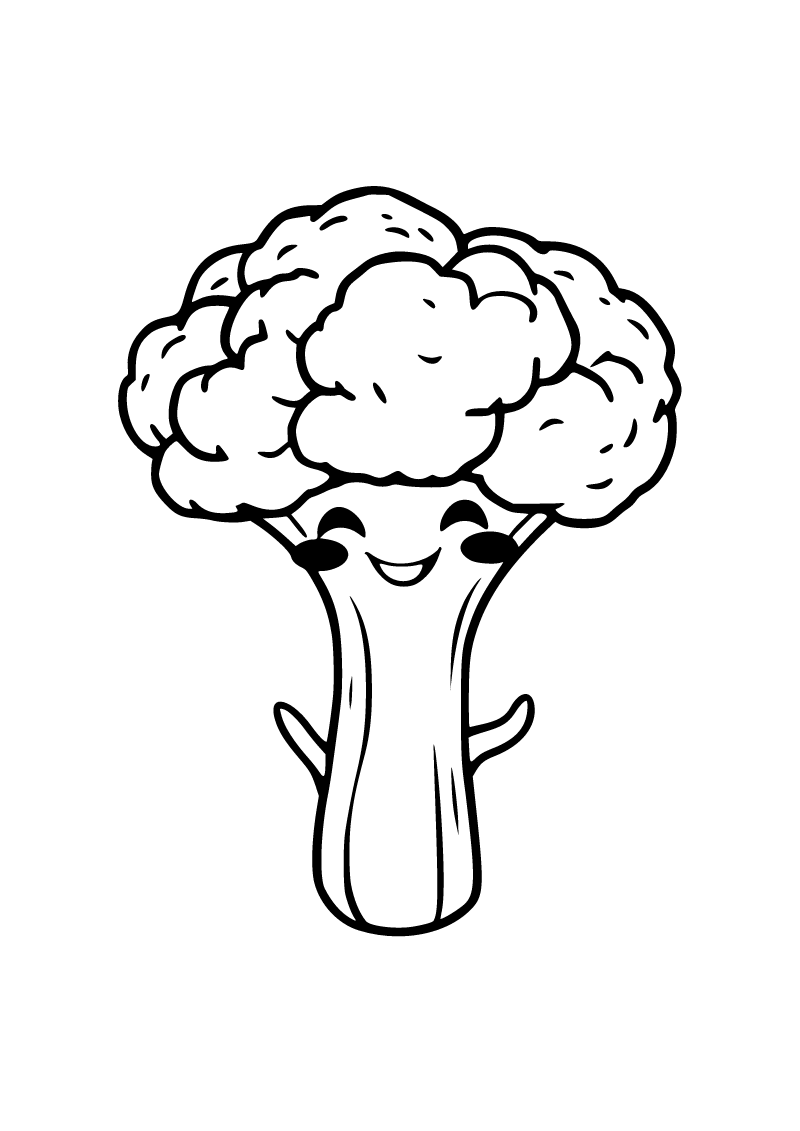
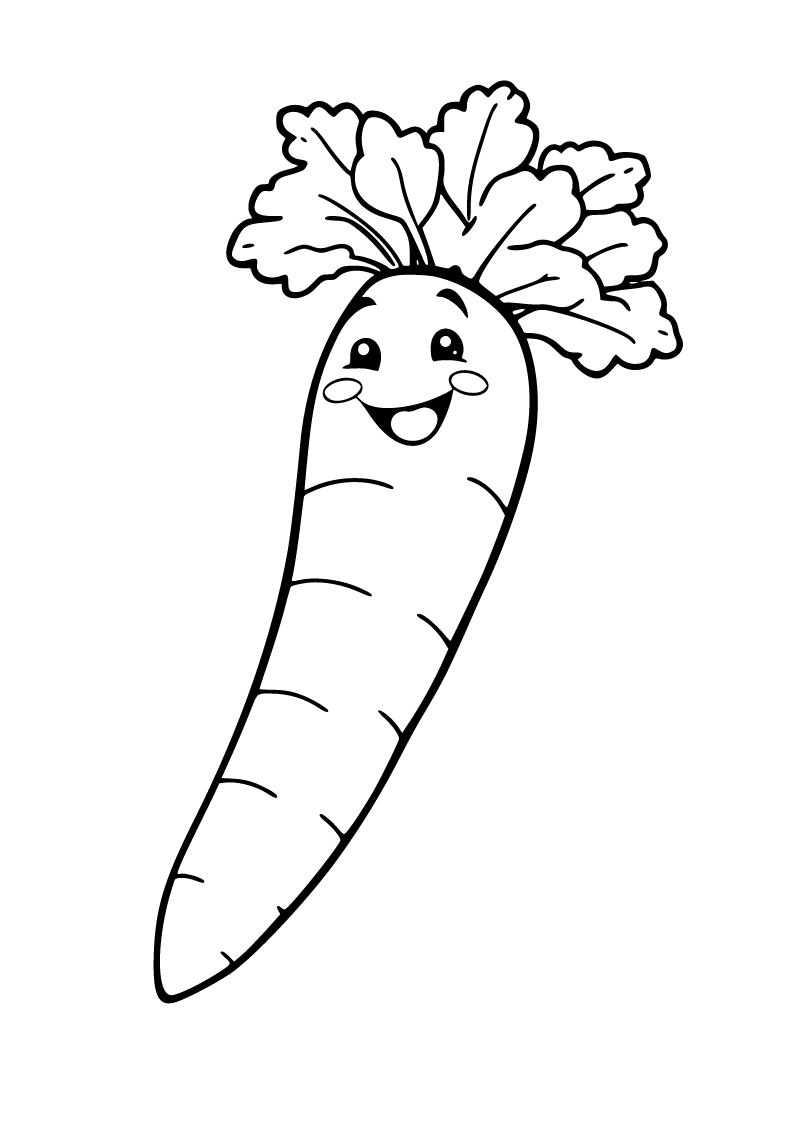
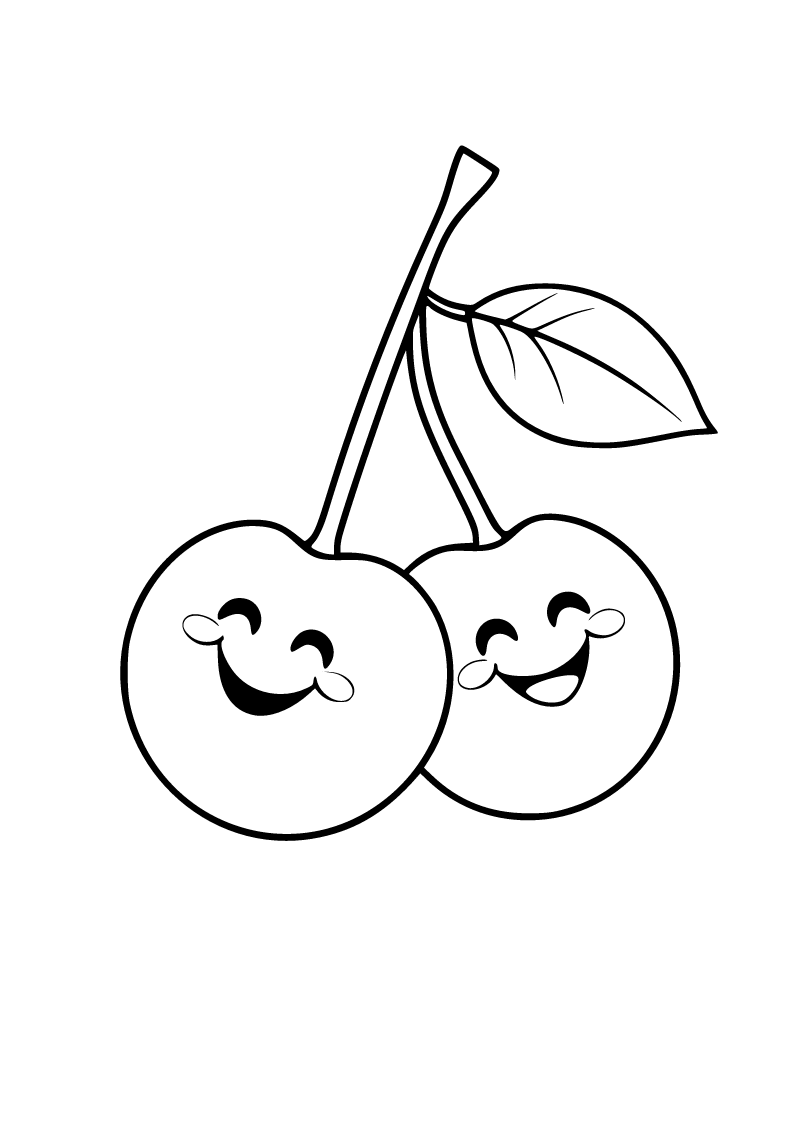
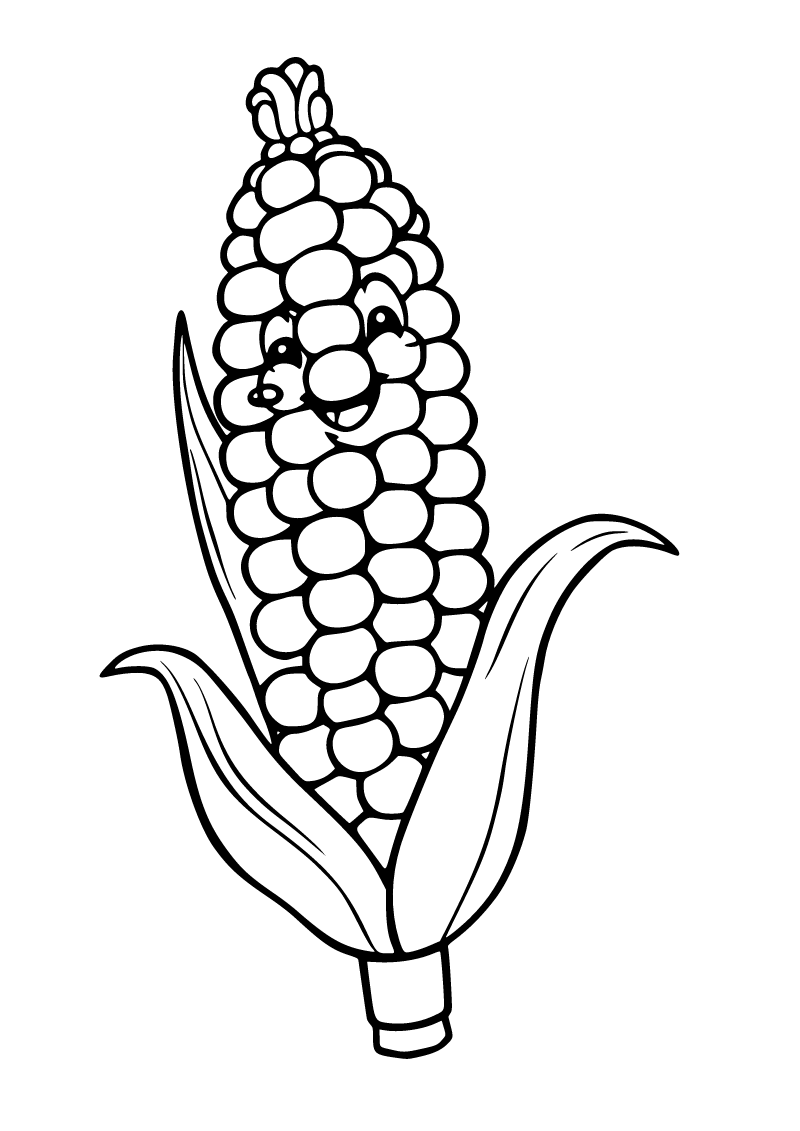
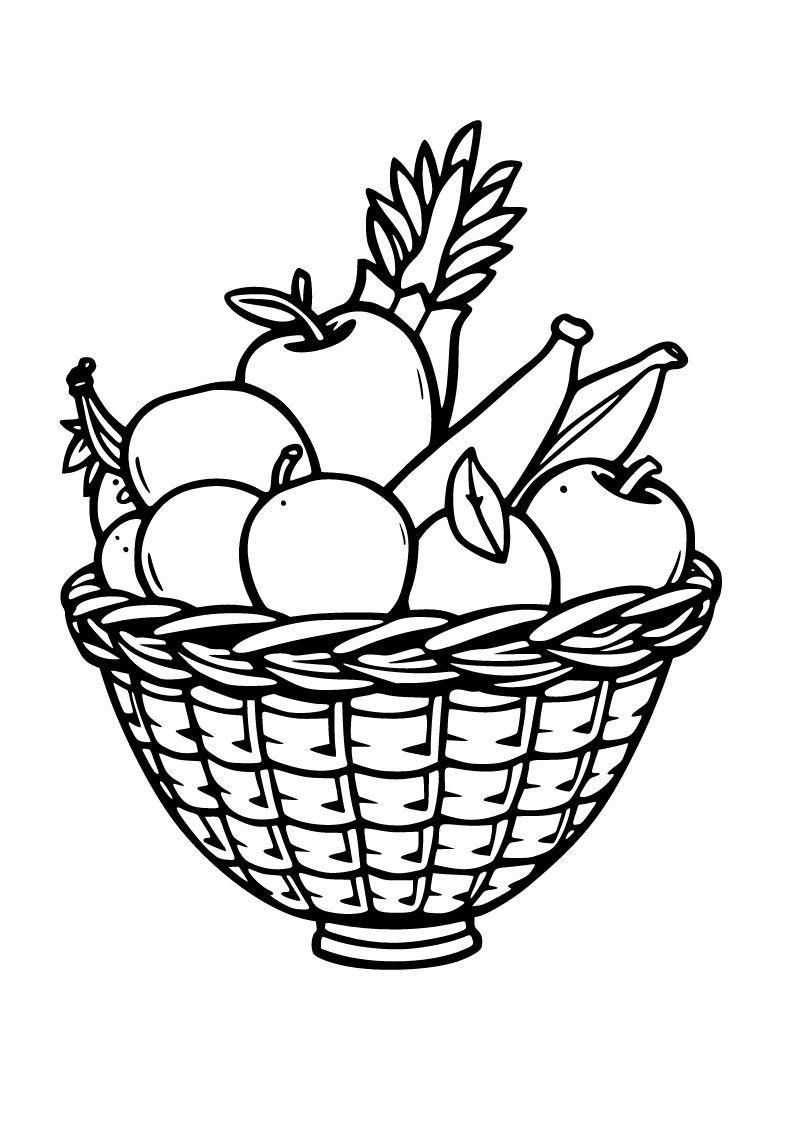
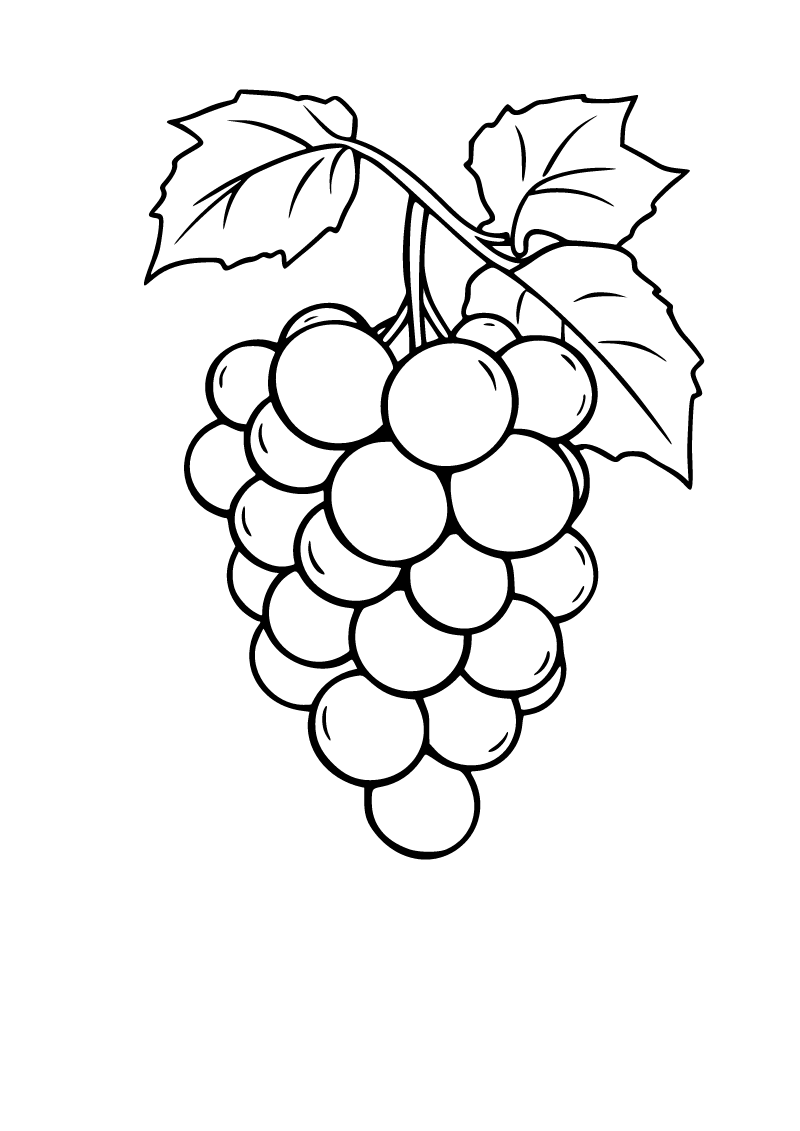
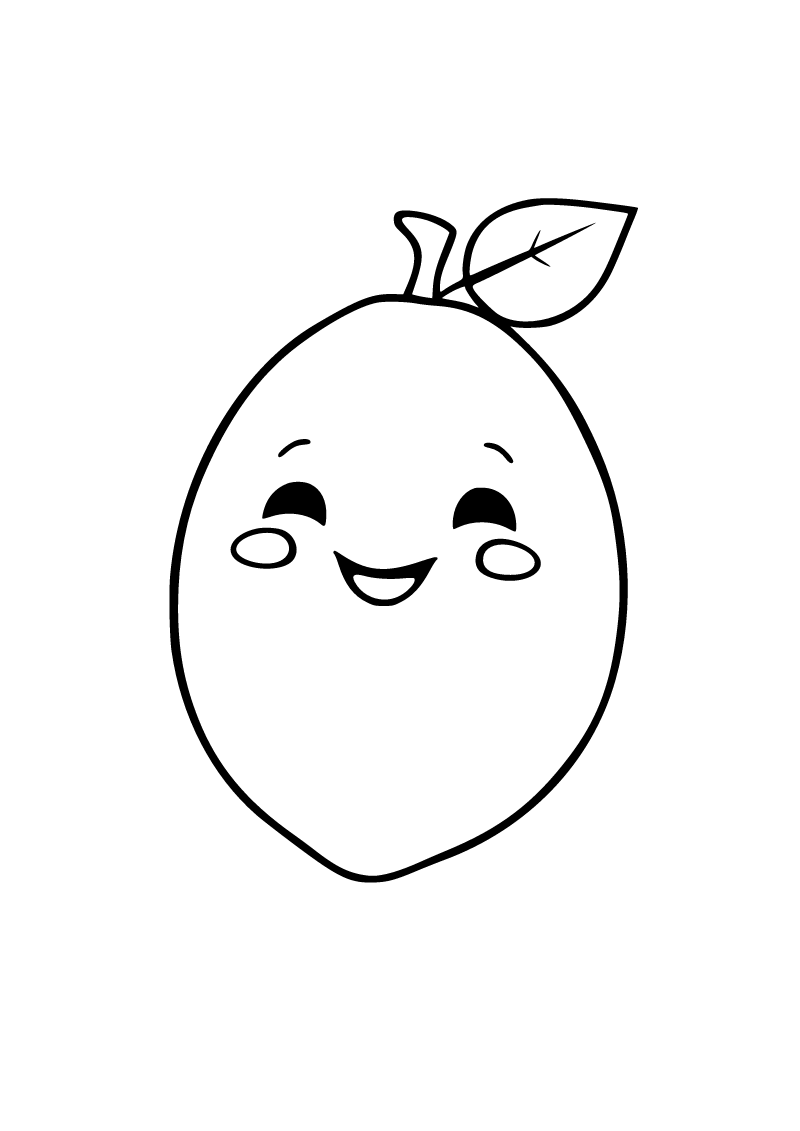
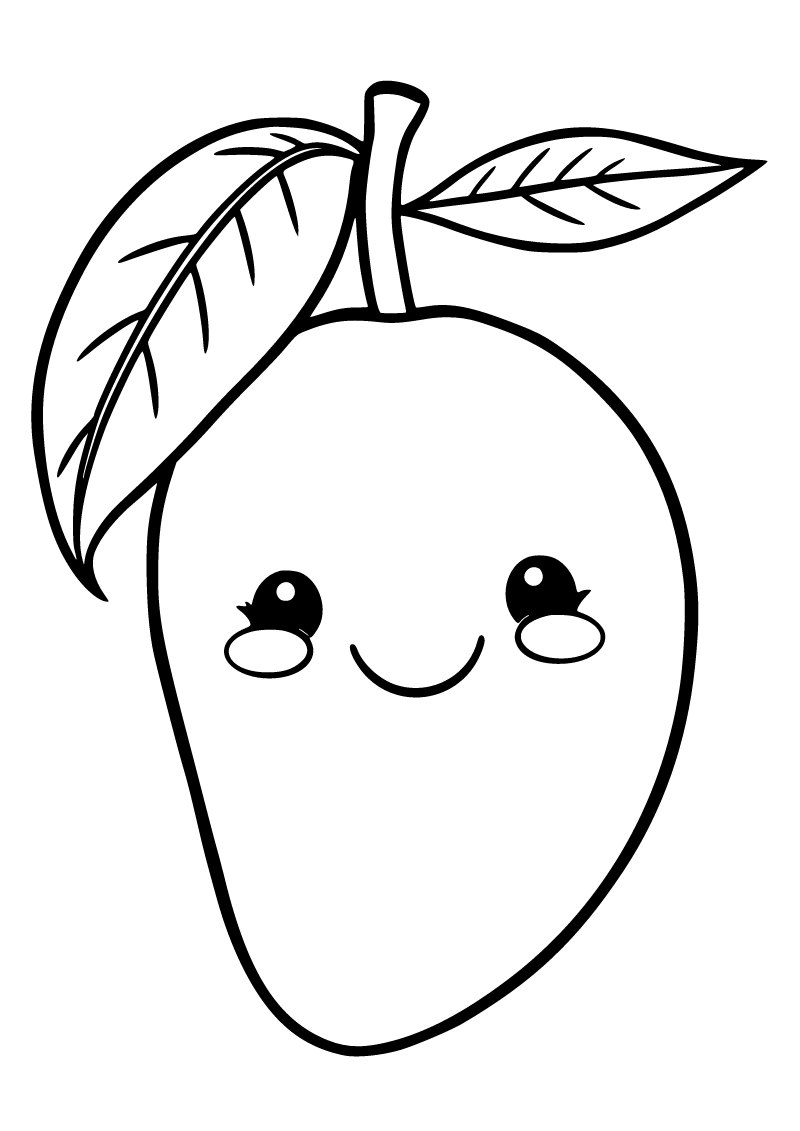
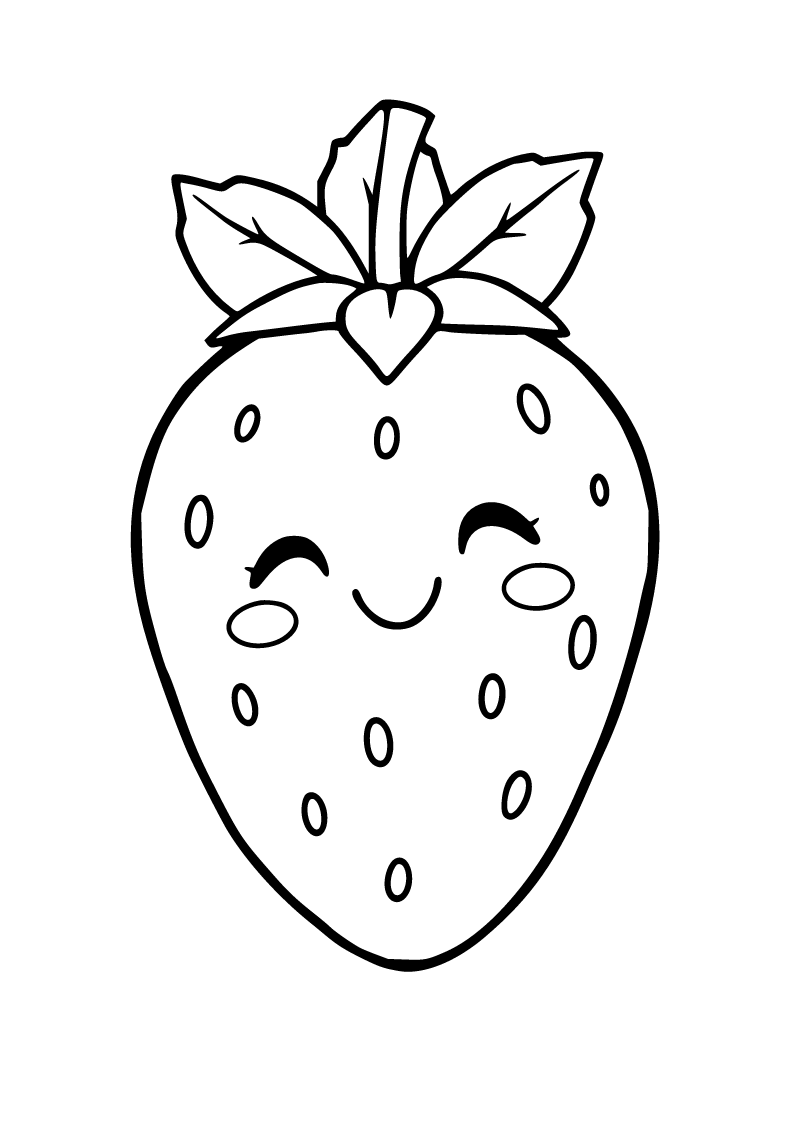
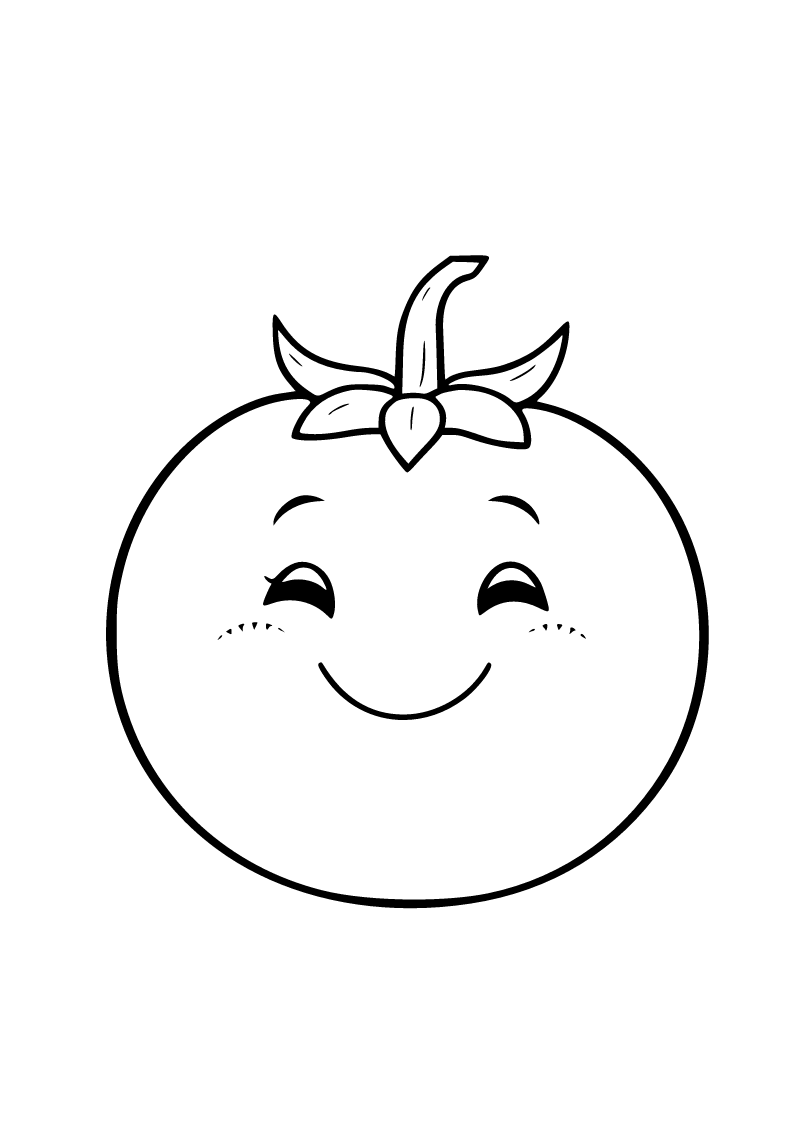
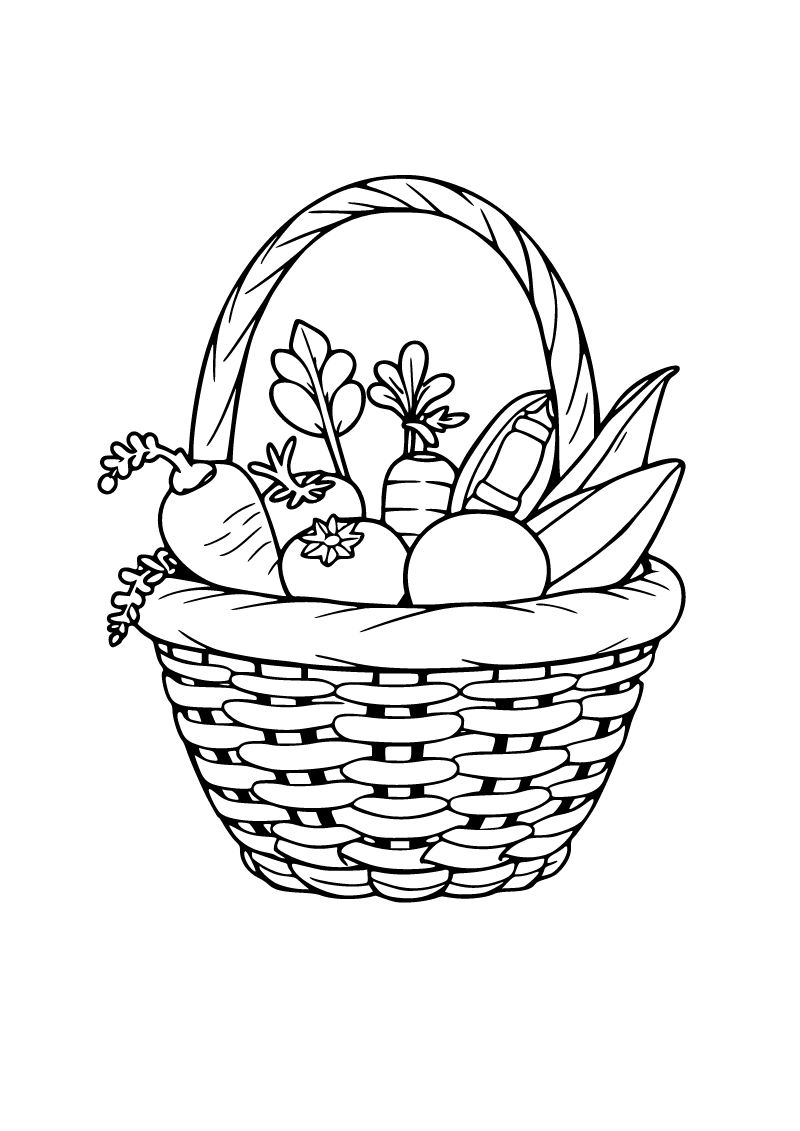
Start with fruits or vegetables that the child recognizes from pictures, markets or family meals. The purpose is creative coloring and conversation, not pressure to eat or handle unfamiliar foods. Choose big, clear shapes before more complicated baskets if needed.
Talk while coloring
Compare shapes and colors without labeling foods as good or bad. An apple and a cherry may share a color but not a size; a carrot and a potato grow differently. Ask what the child notices rather than requesting one correct food color.
Keep creating
Make an imaginary grocery list using three tiny drawings. The adult can read the list aloud or let the child point to each item. If the activity includes real foods, respect dietary needs and allergies and leave tasting completely optional. The child can invent a colorful pretend market without touching any food.